
How Costco’s Unique Business Model Shapes Vendor Success
- alexsteinbergmojo
- Nov 28, 2025
- 2 min read

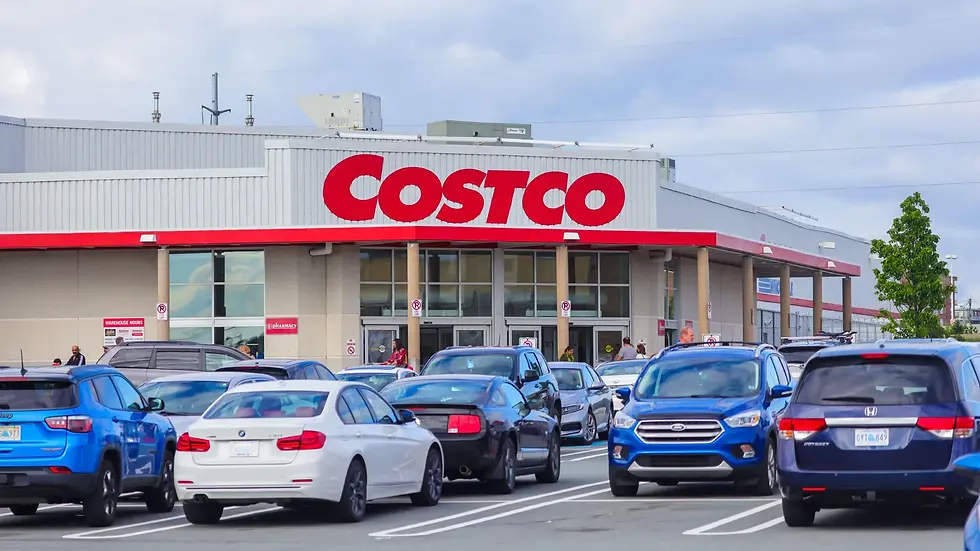
Costco’s unique business model has positioned it as one of the most powerful retailers in the world. Unlike conventional retail chains that rely heavily on high-volume product listings, Costco emphasizes a curated selection of high-quality products at competitive prices, supported by a membership-based structure. For vendors, understanding and navigating this business model is essential to achieving success within Costco stores.
At the heart of Costco’s model is the membership system. By charging customers an annual fee, Costco generates a consistent revenue stream that allows it to focus on offering superior products at lower markups. This approach benefits vendors because it prioritizes quality over quantity—products that are featured have a higher likelihood of selling in volume, and the relationship between Costco and the vendor is built on long-term success rather than short-term turnover.
Another key aspect of Costco’s model is its treasure-hunt shopping experience. Shoppers are drawn to the thrill of discovering new, limited-time items, creating an environment where products can generate significant demand quickly. Vendors who understand this dynamic can strategically time their product releases and promotions to align with seasonal trends or high-traffic periods. Effective brand storytelling, eye-catching displays, and engaging in-store marketing all play a pivotal role in taking advantage of this unique shopping experience.
Costco also maintains strict quality control and high standards for its product selection. Vendors must demonstrate exceptional product quality, competitive pricing, and reliable supply chains to be considered. This creates a win-win scenario: vendors gain access to a highly engaged consumer base, while Costco ensures that its members experience consistent value and satisfaction. For vendors, compliance with these standards is essential not only for approval but for long-term retention within the store’s ecosystem.
Additionally, Costco’s limited SKU strategy benefits vendors by reducing competition for shelf space. Only the best-performing products in each category are featured, which can result in higher visibility and stronger sales for selected vendors. Road shows, sampling programs, and targeted promotions within the store can further enhance product awareness and accelerate adoption by consumers. Vendors who partner with experienced sales and branding consultants can navigate this complex environment more effectively, ensuring their products stand out amidst fierce competition.
Finally, the financial benefits of Costco’s model are substantial. Vendors can achieve high-volume sales with consistent reorders, reduce marketing costs through Costco’s in-store promotions, and leverage membership loyalty to drive repeat purchases. By aligning with Costco’s business model, vendors not only grow revenue but also strengthen brand credibility and positioning in the marketplace.
In conclusion, Costco’s unique business model creates both challenges and opportunities for vendors. Success depends on understanding the membership-driven approach, leveraging the treasure-hunt shopping experience, maintaining high-quality standards, and strategically positioning products to maximize visibility and consumer engagement. Vendors who approach this process strategically, with professional guidance, are best positioned to thrive.
If you want your products to succeed in Costco and maximize your brand’s potential, partner with MOJO Sales and Branding for expert strategy, guidance, and support every step of the way.


Comments